Full-Scale Animal Removal Offerings for a Pest-free Habitat
Extensive wildlife removal services resolve urgent urban challenges posed by multiple animal species. These specialists resolve concerns like rodent problems and raccoon incursions, which can result in major health risks. Applying humane methods, they assure humane relocation while stopping subsequent incidents. Learning about the approaches and values underlying these services is essential. Which factors should someone consider when picking a dependable wildlife removal service? Researching this can provide important information into maintaining a critter-free environment.
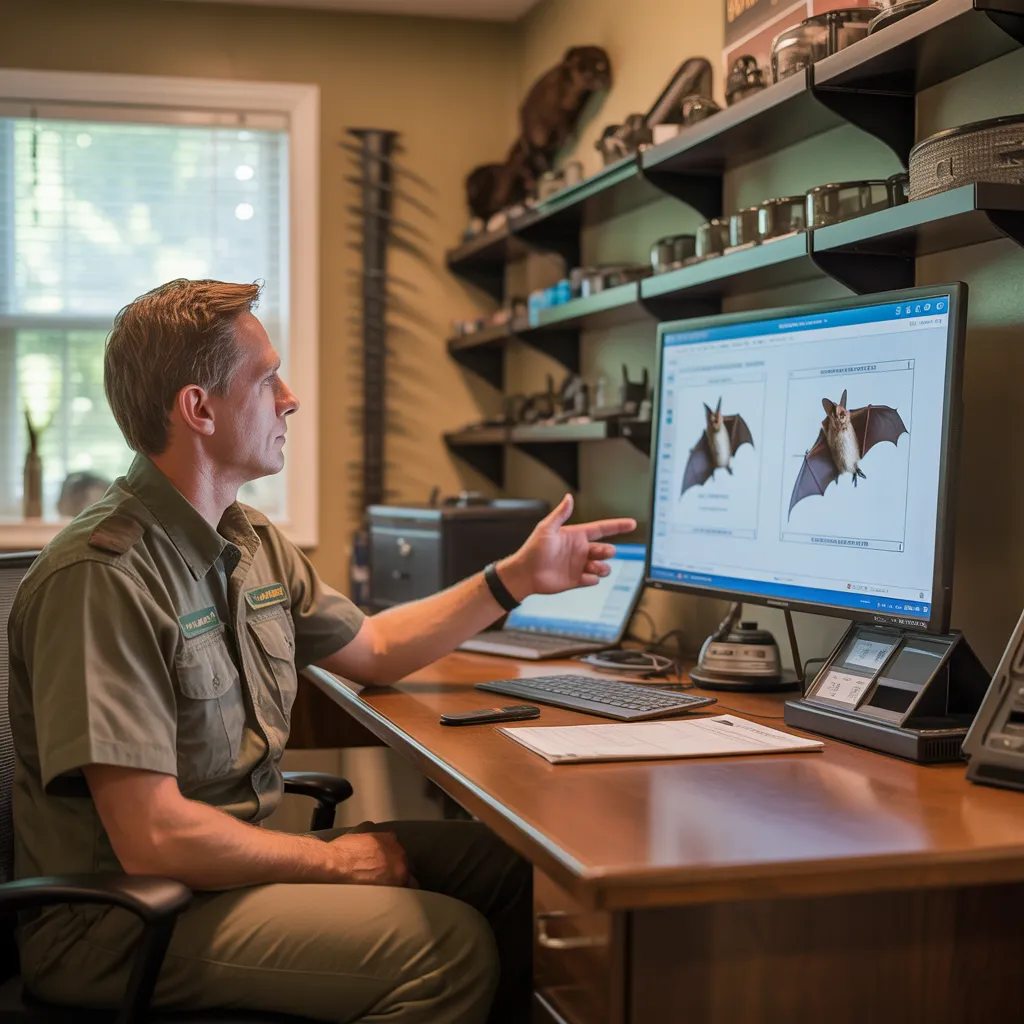
Widespread Animal Troubles in Urban Areas
Urban regions often face a array of wildlife issues that can interfere with daily life and present health risks. Rodents, such as rats and mice, frequently infiltrate homes and businesses, looking for food and shelter. Their presence can lead to property damage and the spread of illnesses like hantavirus and leptospirosis. In the same way, raccoons and squirrels frequently take advantage of urban environments, foraging in trash and making nests in attics, which can produce further sanitation issues.
Birds, especially pigeons, can become a nuisance, causing ugly feces that create health risks and damage property. Additionally, bigger creatures like deer may venture into urban settings, leading to dangerous encounters on roadways. As wildlife adjusts to urban life, the tensions among people and wildlife increase, requiring effective management strategies to reduce these issues and guarantee community safety.
Why Wildlife Management Support Make a Difference
Wildlife removal services serve as a necessary component in decreasing medical hazards that come from animal infestations. They also prevent property damage brought about by wildlife, which can demand substantial repairs. Additionally, these offerings are important to preserving environmental harmony by confirming that urban environments remain secure and balanced for both people and wildlife.
Health Vulnerabilities Abatement
When animals encroach on residential areas, they can pose significant health risks, making animal control solutions vital for ensuring safety. Untamed creatures often carry diseases that can be transmitted to people, such as rabies, hantavirus, and leptospirosis. Their droppings and urine can pollute surfaces and air, leading to respiratory issues or infections. Additionally, pests like ticks and fleas may infiltrate residences, presenting extra safety dangers. Proper animal extraction not only addresses urgent invasions but also prevents future occurrences, thereby protecting community wellness. Professionals trained in compassionate extraction techniques guarantee that creatures are moved rather than harmed, promoting a balance between fauna and residential environments. Ultimately, these solutions play a crucial role in maintaining both public welfare and ecological integrity.
Safeguarding Your Assets from Damage
Wildlife removal solutions are vital in protecting properties from major damage. When animals enter, structural damage can result, including chewed electrical wires, impaired insulation, and weakened roofing. Furthermore, burrowing creatures threaten foundations, resulting in costly repairs. Prompt infestation removal helps to halt further deterioration and maintain property value. The professional process involves sealing entry points, lowering the chance of future invasions. This preventive method preserves building integrity and reduces interruptions to everyday life. Investing in complete wildlife removal reduces risks, providing a safe, damage-free space for both homeowners and businesses.
Maintaining Ecological Balance
Ecological balance is essential for healthy ecosystems, and wildlife removal services play an important role in this process. These services assist in regulating wildlife populations that may be invasive or overly abundant, ensuring that native species and their habitats are preserved. The excessive presence of certain species can lead to resource depletion, habitat destruction, and greater human-wildlife conflicts. By expertly managing wildlife, these services contribute to ecosystem balance, allowing various species to coexist. Additionally, they provide educational resources about local wildlife, fostering community awareness and encouraging conservation efforts. In summary, wildlife removal services are important for maintaining biodiversity, protecting habitats, and ensuring ecosystems stay balanced and resilient.
Wildlife Extraction: The Way Experts Perform the Task
Specialists in wildlife removal begin with a comprehensive evaluation and analysis to determine the species and the scope of the issue. This preliminary assessment is crucial for establishing the most effective and humane extraction methods. Using safe methods ensures that both the animals and the adjacent ecosystem are safeguarded throughout the process.
Review and Assessment Method
A thorough inspection and assessment method is necessary in wildlife removal, as it allows professionals to identify the unique challenges posed by nuisance animals. Technicians begin by surveying the property for signs of wildlife activity, such as droppings, tracks, and nesting materials. They assess potential entry points, including gaps in walls, roofs, and foundations that animals might enter through. Additionally, the evaluation includes checking for harm caused by wildlife, which can reveal the extent of the infestation. Understanding the behavior and habits of the animals involved is crucial for effective management. This detailed assessment not only informs the removal strategy but also supports in preventing future invasions, ensuring a long-term solution for a pest-free environment.

Protected Removal Procedures
Using humane and effective methods, wildlife removal professionals apply a variety of safe techniques to deal with infestations. These specialists prioritize the well-being of both animals and the environment. Trapping is a common method, using specialized cages that capture wildlife without harm, allowing for relocation to suitable habitats. Also, exclusion methods seal entry points, preventing future intrusions. Professionals may additionally use natural repellents that keep away wildlife without harm. Monitoring and follow-up assessments ensure the effectiveness of these strategies, allowing for adjustments when needed. By emphasizing humane practices, wildlife removal specialists support a balanced coexistence between humans and local wildlife, try this creating a pest-free environment while respecting nature’s ecosystem role.
Safety and Ethics in Wild Animal Management
Ethical animal relocation centers on the careful equilibrium between people's protection and ethical treatment of animals. Experts in wildlife management emphasize protection by utilizing methods that reduce dangers to both wildlife and people. This includes using capture devices engineered to restrain without injury and ensuring that all interactions are conducted with care.
Moral considerations surpass merely the methods used; they cover the knowledge of animals' roles in the ecosystem. Responsible wildlife removal services advocate for the humane relocation of animals rather than extermination, acknowledging the need to respect wildlife as integral components of the environment.
In addition, persistent education and training in humane practices are paramount for professionals. This commitment to safety and ethics not only strengthens bonds across communities but also encourages a more balanced interaction with nature. Ultimately, responsible creature management is not merely a commodity but a fundamental responsibility that defends the values of compassion and respect for all animate life.
Avoiding Forthcoming Animal Infestations
Recognizing the value of compassionate animal removal naturally leads to the evaluation of preventive strategies against upcoming pest problems. Effective prevention begins by locating and closing access holes around residences and structures. This encompasses inspecting roofs, attics, basements, and foundations for gaps or cracks that animals can utilize.
Additionally, getting rid of food sources is essential. Lock garbage bins, compost piles, and pet food to discourage animals from pursuing easy meals. Preserving a neat yard by pruning overgrown vegetation and clearing debris decreases potential habitats for wildlife.
Setting up noise deterrents or motion-activated lights can further discourage unwanted visitors. Regularly monitoring the property for traces of animal behavior allows homeowners to address issues before they amplify. Through taking these proactive steps, people can form an atmosphere that reduces the risk of future wildlife infestations, promoting a peaceful coexistence with nature while maintaining a animal-free home.
Key Points for Finding a Reliable Wildlife Removal Service?
When seeking out a wildlife removal service, what key factors should homeowners think about? First, it is essential to assess the company's experience and expertise in dealing with specific wildlife issues. A reputable service should have trained technicians knowledgeable about local regulations and ethical removal methods. Furthermore, homeowners should inquire about the methods employed for extraction and prevention, ensuring they emphasize safety and environmental responsibility.
Additionally, confirming permits and coverage can protect homeowners from legal responsibility during the removal process. Client reviews and recommendations provide insight into the service's reputation and success rate. Ultimately, clarity about costs and guarantees is vital; a trustworthy service will offer transparent quotes and ongoing assistance. By focusing on these elements, homeowners can select a animal control provider that meets their requirements, guaranteeing a area free from pests while following moral principles.
Regular Asked Questions
Which Kinds of Animals Do Exclusion Specialists Manage?
Wildlife removal services typically handle different creatures, such as raccoons, squirrels, opossums, bats, and birds. They tackle problems concerning infestations, guaranteeing humane extraction and prevention of future wildlife encounters in commercial and residential properties.
Is Wildlife Removal Service Ecologically Friendly?
Animal removal services can be green, using humane methods to relocate animals without harm. Many stress environmentally safe practices, maintaining limited disturbance to local ecosystems while effectively addressing wildlife-related issues for homeowners and businesses alike.
How Long Does the Removal Process Typically Take?
Removal usually takes a few hours to a couple of days, contingent on the situation's complexity and the species involved. Aspects like location and necessary follow-up actions might also alter the duration of time.
Can Wildlife Removal Result in Harm to My Property?
Wildlife removal can potentially cause some structural harm, depending on the technique employed and the circumstances. However, professional services aim to minimize any damage and often include restoration as part of the procedure.
What Should I Take if I Observe Wildlife Again?
If animals appears again, people should keep a safe distance, avoid direct interactions, and document the sighting. Reporting the incident to local wildlife authorities can guarantee appropriate care and control of the situation.